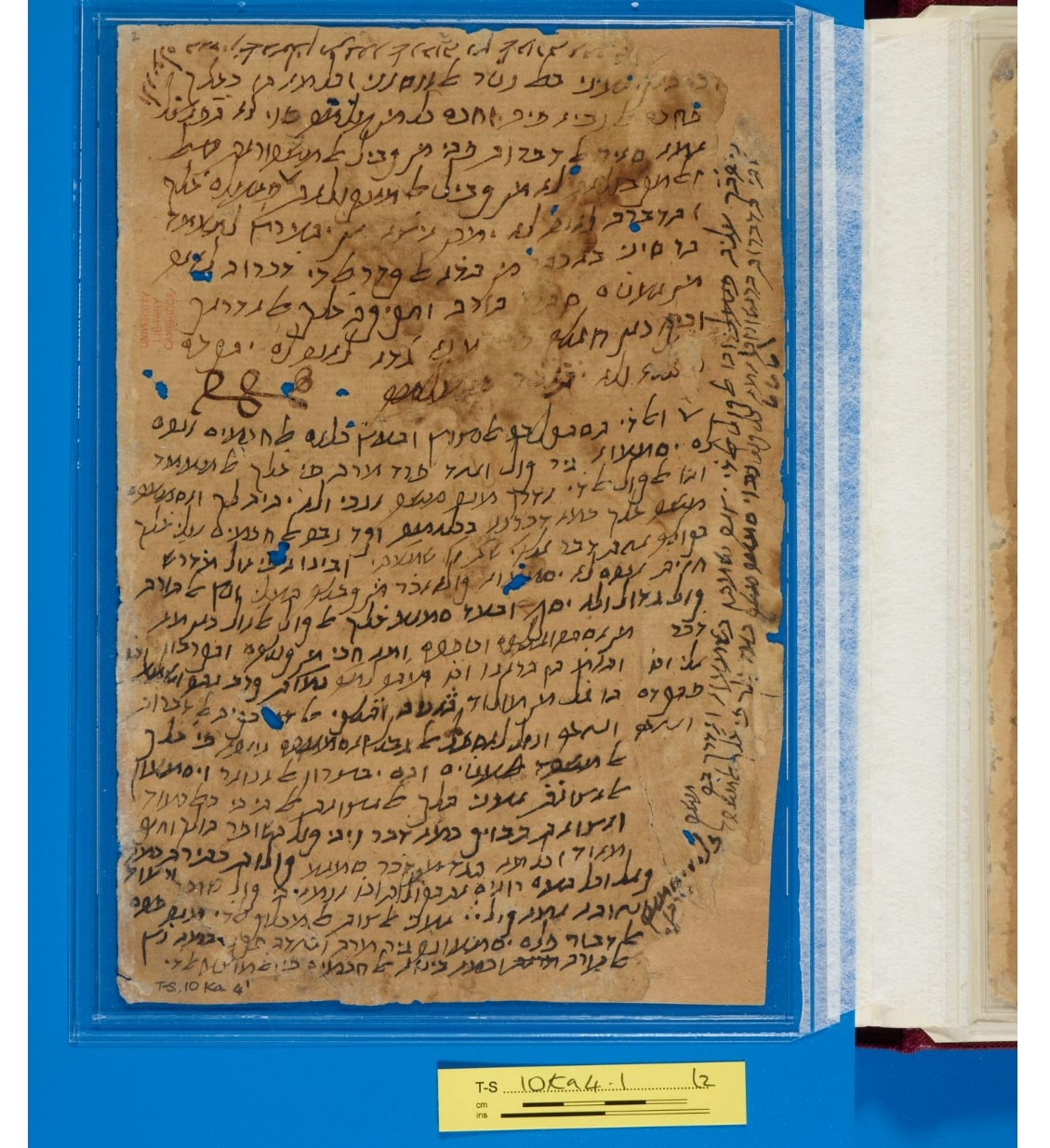
Maimonides
He set himself the hardest job in medieval thought: to take the whole of Aristotle, the most powerful reasoning machine the ancient world produced, and hold it together with the revealed Torah, without letting either one swallow the other. The result is a book written for one specific reader, the believer who has studied philosophy and feels the two pulling him apart, and its two great moves both clear the ground for a purer faith rather than a thinner one. First, that nothing positive can truthfully be said about God, only what God is not. Second, that the bodily, throned, walking God of the Bible's surface is figurative all the way down, language bent to fit ordinary minds. And where Aristotle and scripture finally do collide, over whether the world was created or has always existed, he does not fake a proof. He shows that reason cannot settle it either way, and chooses creation.