The fleet was now inside Mobile Bay, north of the mines, in open water. Waiting for it was the Confederate squadron, and "squadron" flatters it. Admiral Franklin Buchanan (South), the senior Confederate naval officer afloat, had exactly four ships: the ironclad ram CSS Tennessee, his flagship, and three small wooden gunboats, Selma, Morgan, and Gaines. An ironclad ram was a warship sheathed in iron armor with a reinforced bow meant to be driven straight into an enemy’s hull like a battering ram. Tennessee was the strongest ironclad in Confederate service and carried six guns, but her engines were weak and she was painfully slow. Against her and three gunboats, Farragut had four monitors and more than a dozen wooden warships.
The three gunboats were overmatched the moment the fleet was through, and they folded almost at once. Gaines was wrecked, Selma was run down and taken, and Morgan slipped away up toward the city. Buchanan could have run Tennessee under the guns of Fort Morgan and waited. Instead he turned his single ironclad around and steamed it back into the entire Union fleet, alone.
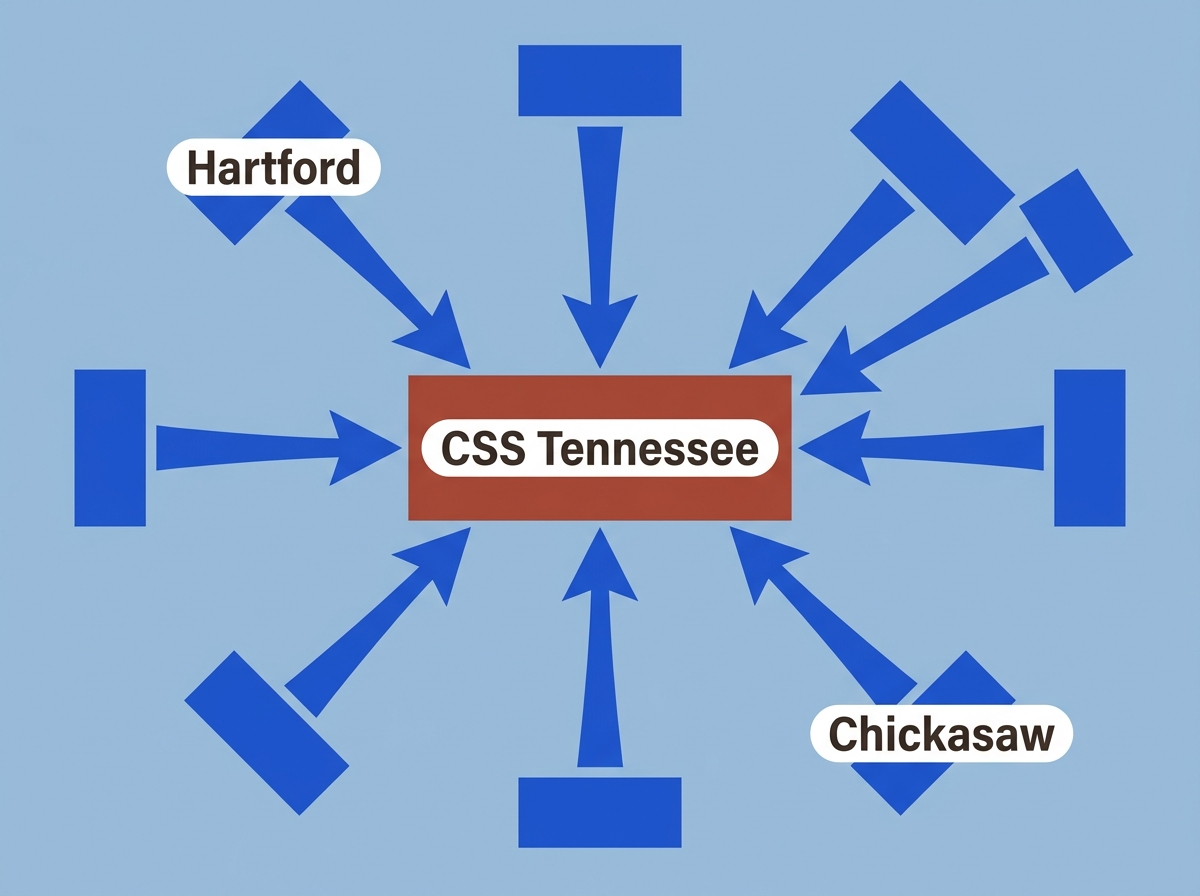
What followed was close, brutal, and slow. The big Union sloops bore down and rammed Tennessee again and again, trying to run her under, while the whole fleet pounded her at point-blank range. The monitors Manhattan and Chickasaw closed in and battered her armor. For something like an hour she took it from every direction at once. Her smokestack was shot away, her exposed steering chains were parted so she could no longer steer, and she drifted nearly motionless under the guns of a fleet. Buchanan himself went down with a badly broken leg.
With the ship helpless and her commander wounded, Commander James D. Johnston (South), Tennessee’s flag captain, asked the wounded Buchanan’s permission and ran up the white flag. The strongest ironclad in the Confederacy had fought the whole Union fleet single-handed until she was battered into surrender. By around ten in the morning, the bay was won.