Every American schoolchild learns that when the British captain hailed to ask whether the Bonhomme Richard had surrendered, John Paul Jones (American) roared back: "I have not yet begun to fight!" It is one of the most famous sentences in American history. It may also be the best small lesson the Revolution has to offer in how a legend is built, because the documents tell a more interesting story than the slogan does.
Start with what Jones himself wrote, ten days after the battle, in his official report to Benjamin Franklin, the only account of the moment in his own hand from that same season. He does not quote himself at all. He writes that the English commodore "asked me if I demanded quarters, and I having answered him in the most determined negative," the battle was renewed harder than before. That is the bedrock. The defiance is real and documented: Jones was asked to surrender and refused flatly, and the fight went on. The words "in the most determined negative" are what he actually set down. What he answered "in the most determined negative" was, he never recorded.
The contemporary echoes of the moment are saltier than the official report and nothing like the famous line. Within weeks, British newspapers were printing secondhand versions from escaped prisoners and informants. The Edinburgh Advertiser, on October 12, 1779, gave the earliest and best of them: Jones, it reported, had answered that "I may sink, but I'll be damned if I strike." That is probably the closest thing we have to the spirit of what was actually shouted across that water, printed within three weeks of the battle, and it is not the sentence on the monuments. A London paper carried another version, in which Jones said "I have not as yet thought of it, but am determined to make you strike." Jones's own memoir, written in the mid-1780s, has him remembering saying something different again: "I haven't as yet thought of surrendering, but I am determined to make you ask for quarter." Four early sources, four different lines, and not one of them is the famous one.
The famous one appears in 1825. Forty-six years after the battle, and thirty-three years after Jones himself had died, his old first lieutenant Richard Dale (American), by then an old man, gave his recollections to a biographer named John Henry Sherburne. In Dale's telling, Pearson hailed "Has your ship struck?" and Jones answered "I have not yet begun to fight!" Dale was a real witness; he had stood with Jones at points in the action. But his station that night was the gun deck, not at his captain's elbow for every word, and he was supplying a half-century-old memory to a biographer, with Jones long dead and unable to confirm or deny anything. So the line is real in one sense: a man who was there said Jones said it, and wrote it down. It is not real in the sense most people imagine, a thing recorded as it was spoken. The refusal is documented in Jones's own hand. The sentence is a legend built, beautifully, around a true act, and set down by an old man half a century later. That is the honest way to carry it, and it is a better story than the bare quote.
…answered him in the most determined negative…
The same caution belongs to the surrender ceremony that the legend loves to stage. The story goes that Pearson, handing over his sword, said it was painful to deliver it to a man who had fought "with a halter around his neck," meaning to a pirate who could expect a hanging, and that Jones gallantly returned the sword and told him his king would surely reward him. None of that is in either captain's report. It comes from memoirs and biographies written long after, and while the formal surrender certainly happened, the script is later invention. The halter image is the one piece of it that is independently true, not as something Pearson said but as a fact about Jones's legal standing: Britain really did regard him as a pirate, and the caricatures prove the reputation. There is one more legend-kit line, just as cherished and just as unsourced. On hearing that Pearson had been knighted for the battle, Jones is said to have remarked that if he ever met the man again, "I'll make a lord of him." Universally quoted, never contemporaneously recorded. The story goes that he said it. Whether he did, nobody can show.
Richard Pearson (British) lost his ship, and he had done the one thing his orders required: he saved his convoy, the strategic prize, by putting his frigate between it and the raider. The Royal Navy court-martialed him, as it automatically did any captain who lost his ship, and acquitted him with honor in March 1780. He was knighted. He was given the freedom of four towns and presented with silver plate by the Russia Company and by the convoy's own insurers, the most honest reward of all, since the insurers were thanking the man whose fight had kept them from paying out on forty lost ships. The Royal Navy thought enough of the name to launch a new Serapis in 1782. Pearson lost the battle and won everything that his actual mission was for.
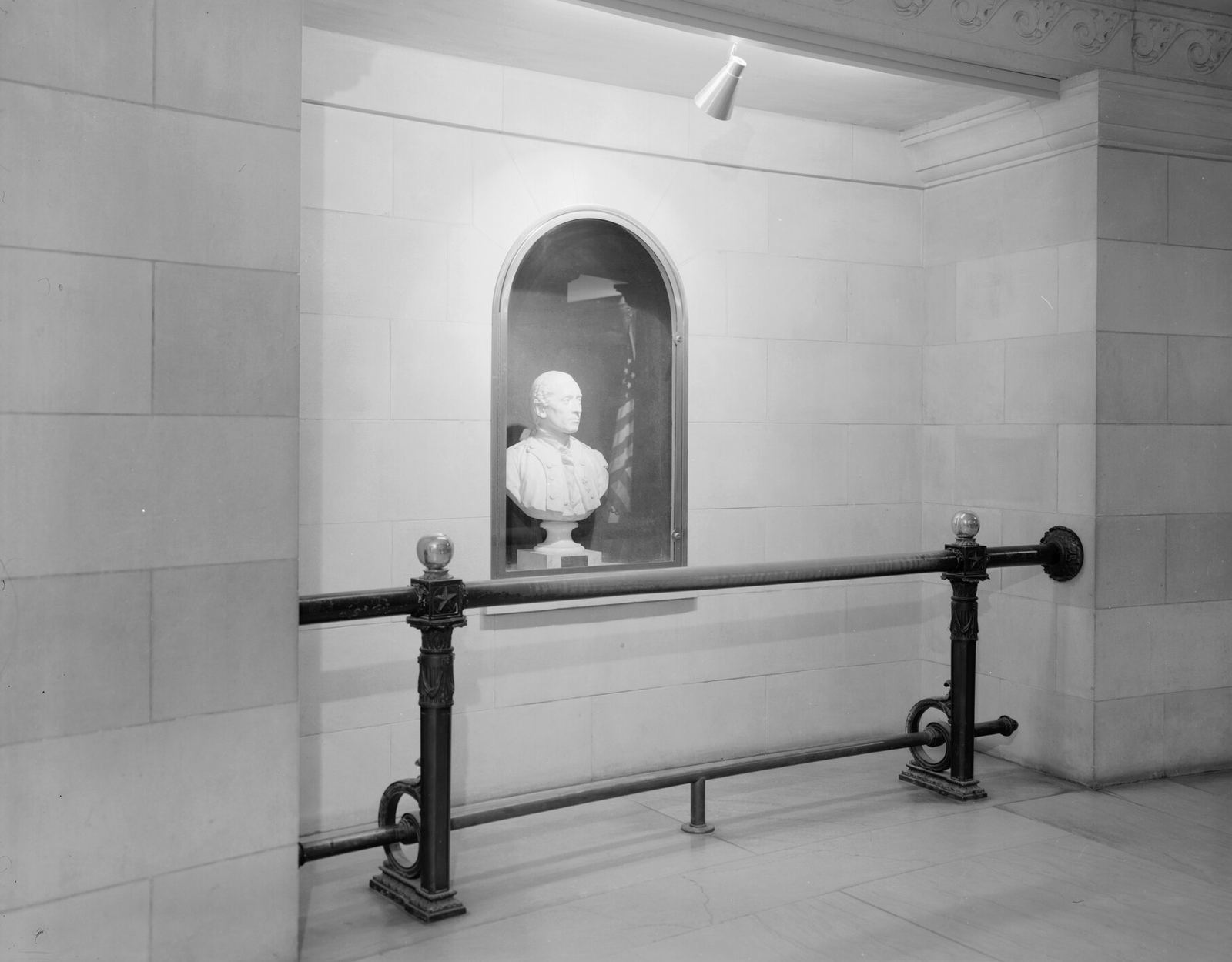
The BattlesSaratoga, 1777: the victory two years earlier that had already brought France inSo what did this night change? Not the war at sea, in any material way. Pearson's convoy got home. The naval stores reached the dockyards. The Royal Navy still owned the ocean the next morning, and the war's truly decisive naval battle, off the Chesapeake Capes in 1781, would be fought and won by the French fleet, not by John Paul Jones. What Flamborough Head changed was the story. The squadron limped into the Texel, a sheltered anchorage on the Dutch coast where neutral Dutch territory gave it cover from the British fleet waiting outside, on October 3, flying the captured Serapis, and set off a diplomatic crisis: the British ambassador demanded the ships and prisoners back, calling Jones a "pirate" sailing under no recognized flag, while crowds in Amsterdam treated him as a celebrity and the Dutch authorities stalled until he could slip back out to sea in December. In Paris, Benjamin Franklin now had a piece of raw propaganda, a British warship beaten on England's own coast, to retail at the French court, and he used it. Paris lionized Jones through 1780. Louis XVI gave him a gold-hilted sword and a French order of merit, the sculptor Houdon made his bust, and Congress eventually voted him its gold medal, the only Continental Navy officer ever so honored. For a cause whose largest naval expedition of the very same season had destroyed itself without a battle, a captured Royal Navy frigate was beyond price as theater.
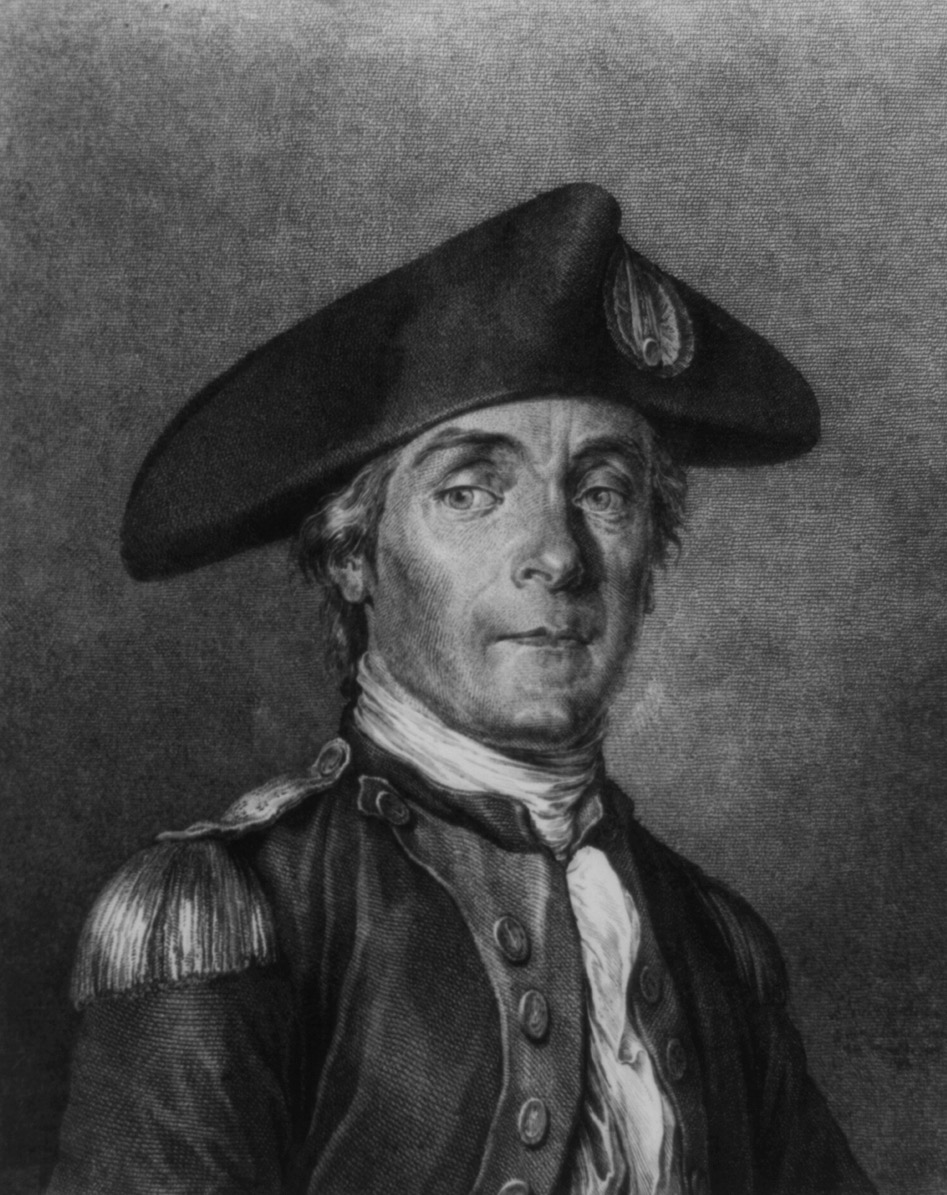
The man himself never fought another battle like it. Jones was feted in Paris, served briefly and unhappily as a rear admiral in Catherine the Great's Russian navy against the Turks, an appointment that fell apart in an unresolved accusation of assaulting a young girl and in court intrigue, both on the record and neither ever settled, and died alone in Paris in 1792, aged forty-five. He was buried in a Paris cemetery for foreign Protestants, and his grave was lost. More than a century later an American ambassador spent six years searching for it, found his lead coffin in 1905 with the body preserved in alcohol, and in 1913 Jones was entombed in a marble crypt beneath the chapel of the U.S. Naval Academy at Annapolis, where a midshipman honor guard stands over him to this day. The navy that barely existed while he lived made him its founding saint after he died. The legend got the last word, which is exactly what legends do.