Western PhilosophyStuff Happened · Philosophy
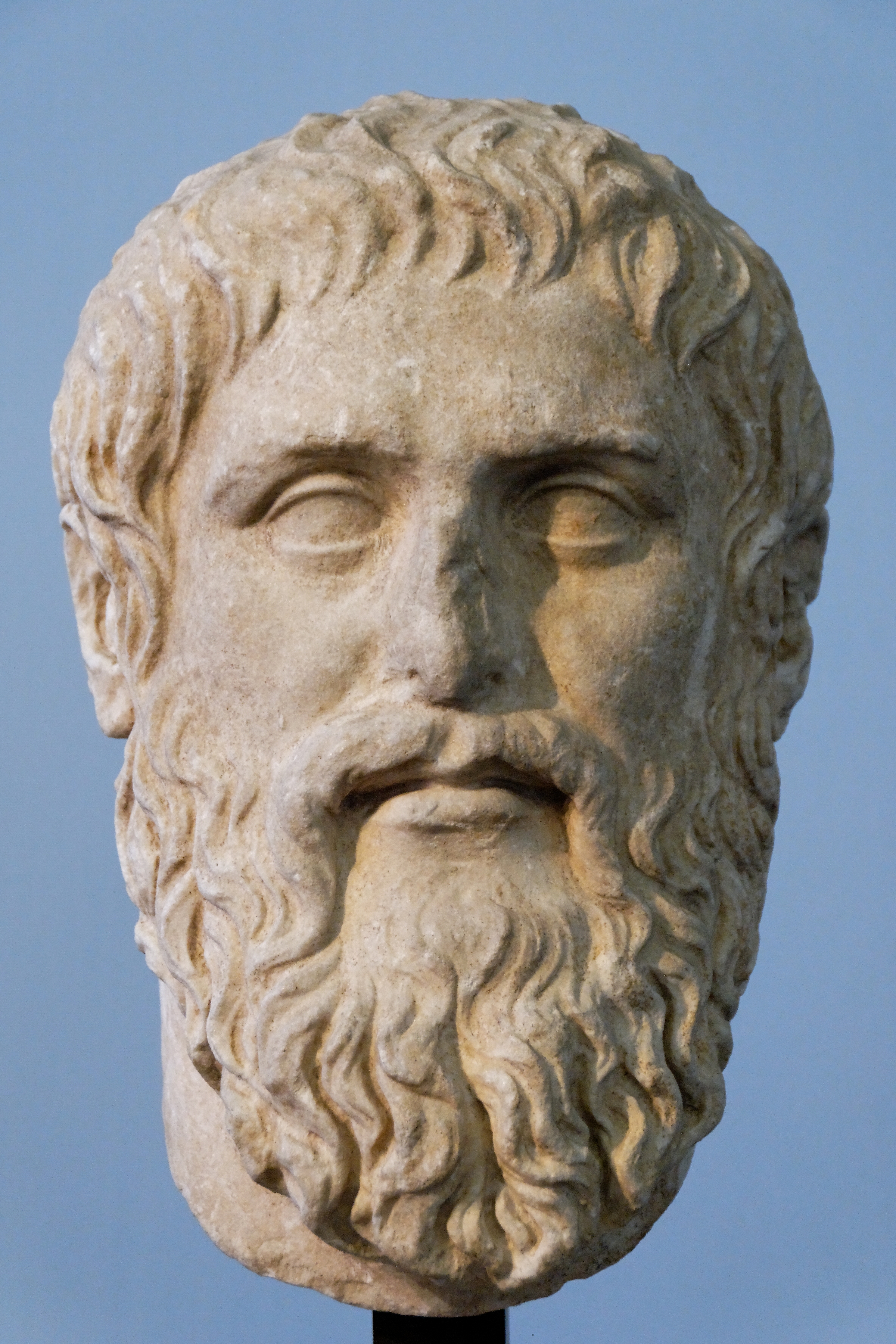
Marble bust of Plato, a bearded man with curling hair, against a blue ground
Thinker · Platonism

Plato

c.428 – 348 BC · Platonism · The Greeks · 4 works

The whole sprawling system comes out of one move: there are two levels of reality, a changing world the senses touch and a changeless world only the mind can reach, and everything that matters (knowledge, virtue, beauty, who should rule) depends on climbing from the first toward the second. One thread runs through all of it: Plato never says any of this in his own voice. He writes plays, and the man doing the talking is usually Socrates.

What changed
Before
The world one can know is the world one can touch
After
The world one can touch is exactly the world one can't truly know
Walk Plato’s whole systemThe ideas in order, start to finish, as one long read
Inside the walk-through
The problem Plato walked into
The Forms
Knowledge and the immortal soul
The Sun, the Line, and the Cave
The just soul and the just city
"Platonic love"
What it changed, and who answered
The works

The Republic
c.375 BCE · Ten books, in dialogue
What is justice — and what would a perfectly just city, and a perfectly just soul, actually look like?
Read
The Symposium
c.385 BCE · A single dinner party
At a drinking party, speeches on love climb from desire for a beautiful body all the way to Beauty itself — until a drunk Alcibiades crashes in to praise Socrates instead.
Read
Phaedo
c.380 BCE · Socrates’ last day
On his execution day, calm and even cheerful, Socrates argues that the soul outlives the body — four times over — and then drinks the hemlock.
Read
Apology
399 BCE · A courtroom speech
Socrates’ defense at his trial for his life — where he refuses to grovel, calls himself the city’s gadfly, and says the unexamined life is not worth living.
Read
Read Plato in context: The Greeks