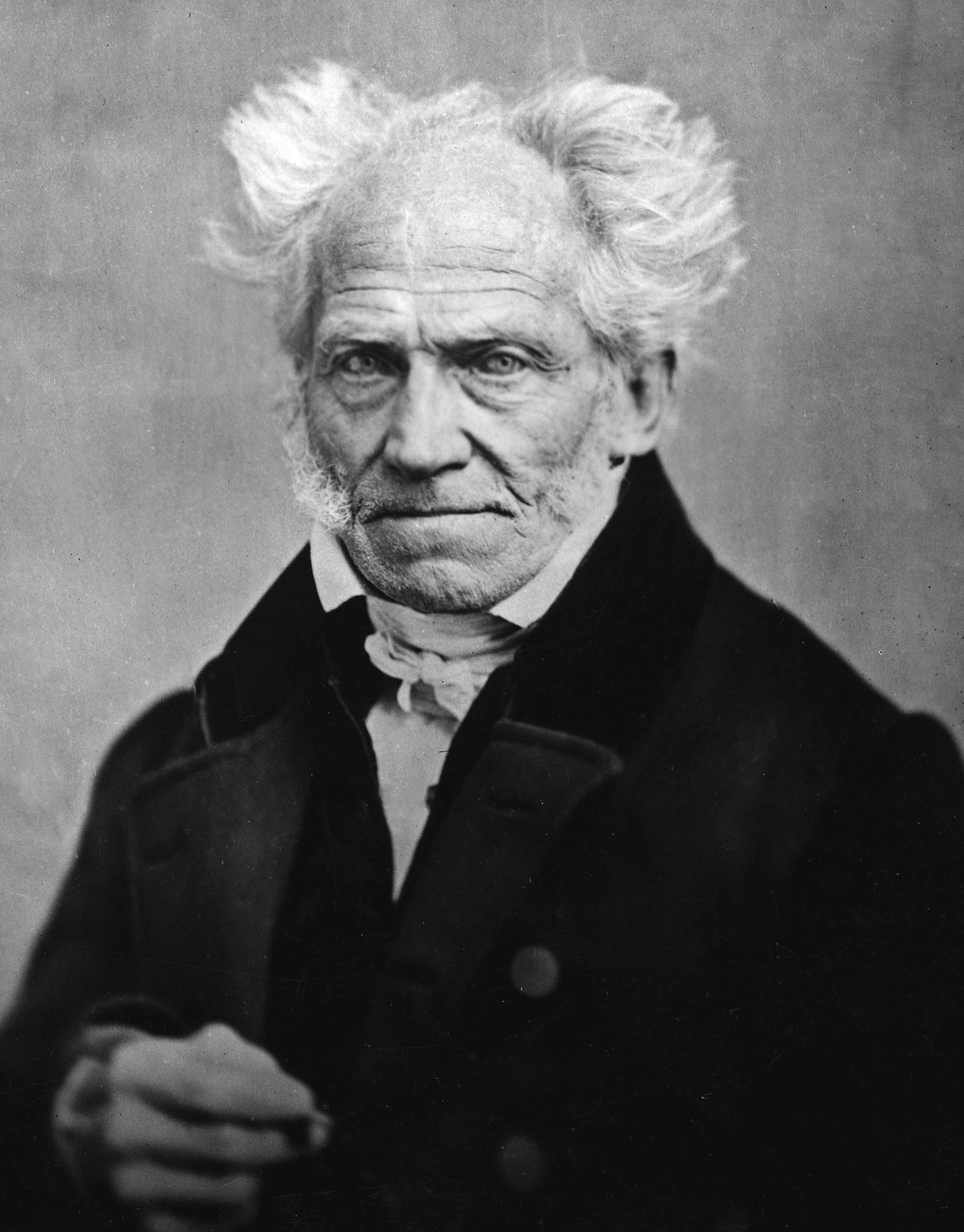
Schopenhauer
While Hegel was telling Berlin that history is reason coming to know itself and the whole bloody story is going somewhere good, a furious, lonely man across town was building the exact opposite, and almost no one listened for thirty years. Schopenhauer took Kant's hardest idea, the thing-in-itself, the reality behind everything that appears, and claimed to have found what it actually is. It is not God, not reason, not Spirit. It is *Will*: a single blind, aimless, ceaseless striving, the same urge that pulls a stone to the ground and drives a seed up through soil and gnaws at a human being who can never want for long without wanting again. We know it from the inside, in our own bodies, and once we see it we see it everywhere, the whole world as one craving with no object and no end. From that he drew a conclusion the age was not ready to hear: that because the inner nature of everything is endless wanting, and all wanting is born of lack, existence is essentially suffering, and the most we ever get is the brief, gray pause between one pain and the next, with boredom waiting on the other side. He argued it; he did not just declare it. And then, against his own bleakness, he marked three narrow doors out of the wanting: the still, will-less moment of beauty (music above all, because music is the Will heard directly); compassion, which is what happens when one being sees through the illusion that it is separate from another; and the saint's hard road of quieting the Will altogether. He owed Kant everything and the Upanishads nearly as much, and he was honest about both. He died famous at last, having spent his life being right, as he saw it, in an empty room. Nietzsche, Wagner, Freud, and Wittgenstein all started from him.