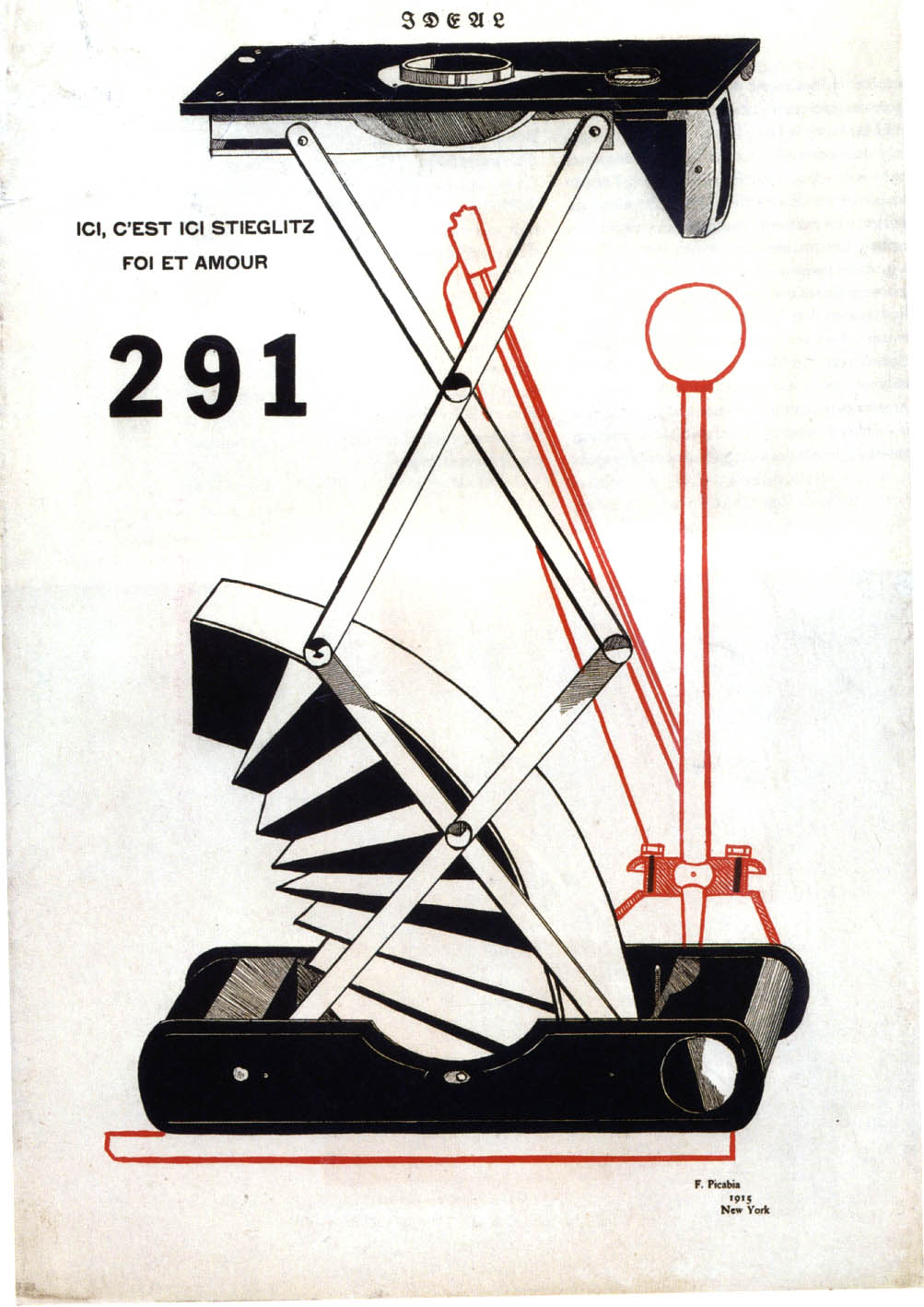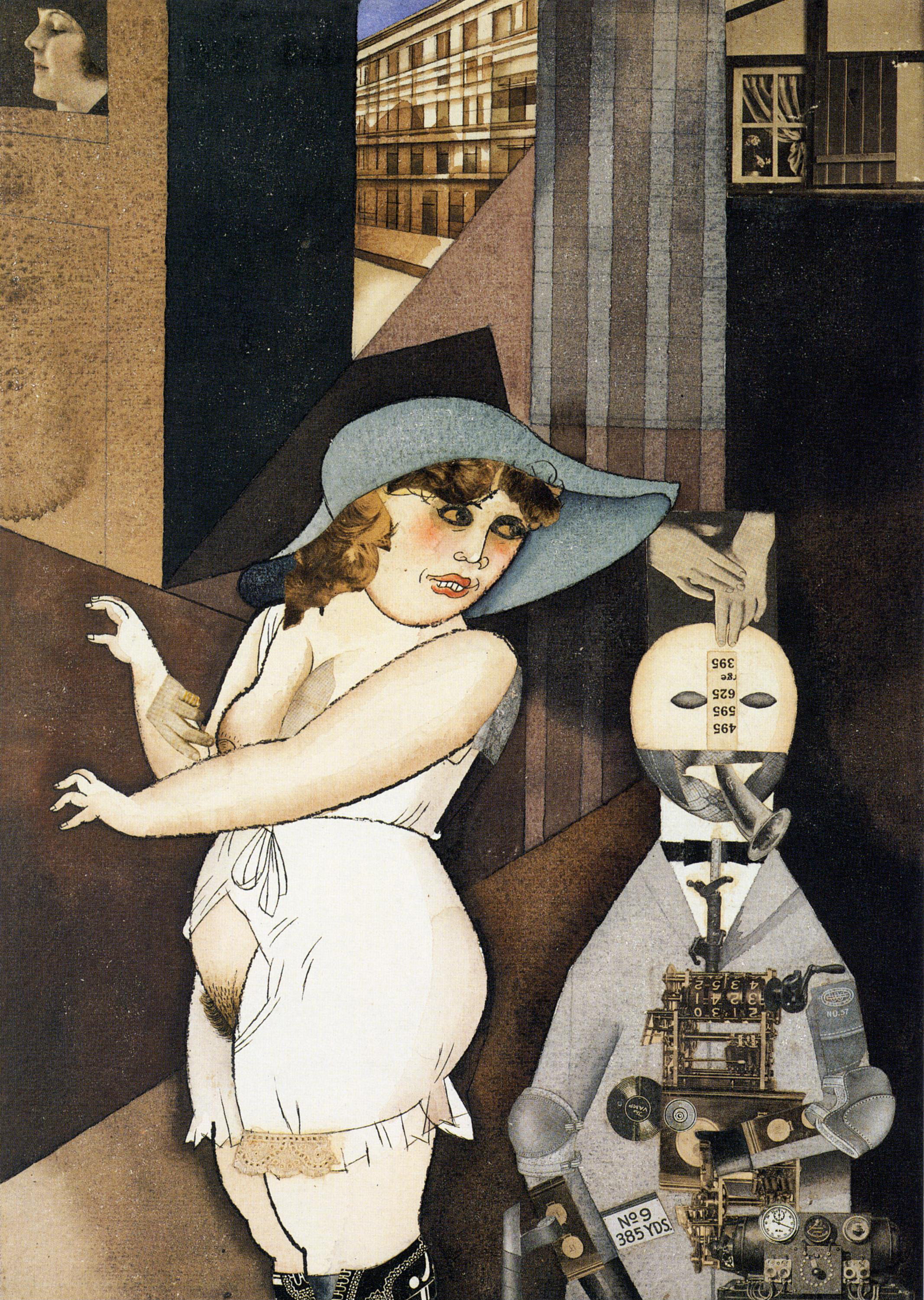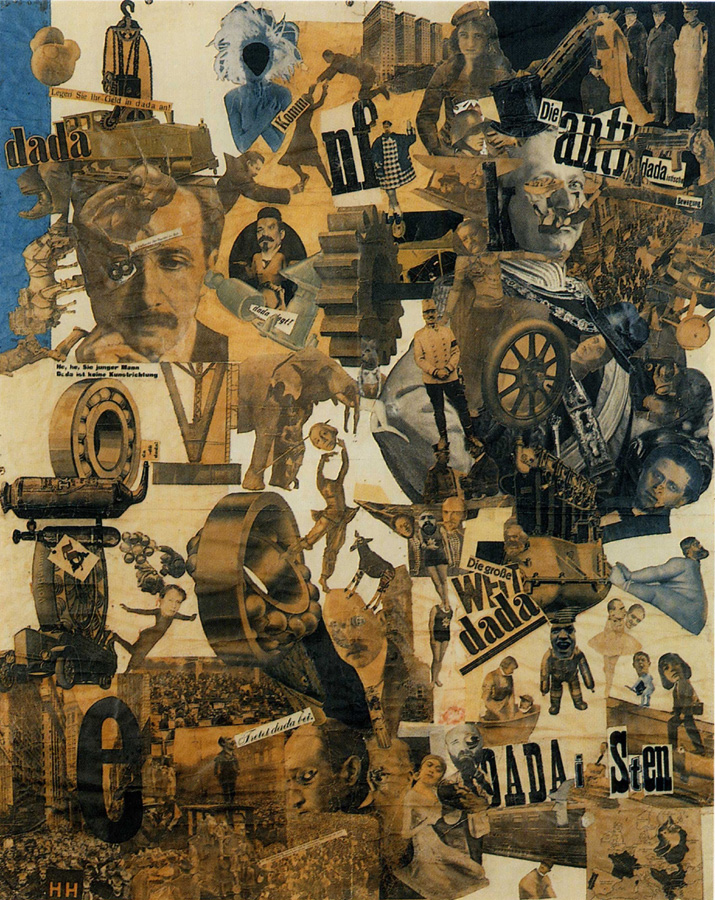
Dada is the moment art turned on itself. Born in Zurich in 1916, in the middle of a war feeding a generation into the mud, a few exiled poets and painters decided the civilization that had produced both the Mona Lisa and the machine gun no longer deserved to be taken seriously, so they made an art of nonsense, accident and provocation. Under the clowning sat a deadly serious invention: the idea that the artist’s choice, not the artist’s hand, is what makes a thing art. It jumped from Zurich to New York, Berlin, Hannover, Cologne and Paris, burned out around 1923, and was swallowed by the movement it had hatched, Surrealism.
For centuries a work of art was something an artist made with skill, that aimed at beauty or meaning or at least craft, and earned its place by hanging where the public took it seriously. Even the wildest modern art before 1916 still believed in all of that. Fauvism’s screaming colors, Cubism’s broken planes, Futurism’s blurred speed (all in the reads alongside this one) were violent quarrels with how to make a picture, but they never doubted that a picture was the thing to make, by hand.
Dada doubted exactly that. Duchamp bought a mass-produced piece of plumbing, signed it with a fake name, laid it on its back, called it sculpture, and argued that his choosing it was the entire artistic act. There is no skill, no beauty, no subject. The only thing the artist did was point at an object and say “this.” That single move, the readymade, is the most disruptive idea in modern art, and it is the whole break in one glance.
Three more moves stack behind it. Chance: Arp tore up paper, let the scraps fall, and glued them where they landed. Photomontage: in Berlin, Hannah Höch and John Heartfield cut up news photographs into political weapons. And nonsense: sound poems with no words, a name chosen because it means nothing, a moustache on the Mona Lisa. The skill, the beauty, even the made-by-hand part are thrown out. What is left is the idea and the gesture, and almost everything in art that comes after is built on that.
“Dada is a new tendency in art. One can tell this from the fact that until now nobody knew anything about it, and tomorrow everyone in Zurich will be talking about it.”
“DADA DOES NOT MEAN ANYTHING.”
“I write a manifesto and I want nothing, yet I say certain things, and in principle I am against manifestos, as I am also against principles.”
Most movements write a manifesto to explain themselves earnestly. (A manifesto is a public declaration of a movement’s aims; Futurism, in the read next door, had practically invented the art-world version, and Dada took the weapon straight from it.) Dada wrote manifestos to prove that manifestos were worthless.
In 1916 Hugo Ball stood up in a Zurich guildhall and announced “Dada is a new tendency in art,” then cheerfully explained that the whole point was that it meant nothing. Two years later Tzara wrote the most famous one of all, which partway through flatly declares “DADA DOES NOT MEAN ANYTHING,” and elsewhere admits he is writing a manifesto while being against manifestos and against principles.
It is a manifesto that argues itself out of existence, which is exactly the joke and exactly the point. There is no creed to sign, no program to follow, only the refusal of creeds and programs. That is as close to a founding statement as a movement built on negation can get.